There is a term in Indian aesthetic philosophy (no exact English translation) that defines an experience virtually all serious viewers of painting will understand without having a descriptive term for it. That term is called “rasa,” generally translated to flavor or essence, although both translations understate its impact. Rasa is the distilled emotional experience a work of art gives to its audience, not the raw emotion in the work itself, but the elevated, nearly aesthetic pleasure derived when emotion is given thoughtful expression. This concept originated in classical texts regarding theater and poetry, specifically the Natyashastra attributed to Sage Bharata. However, it appears that the idea remains a viable methodology for contemplating visual arts, including painting created today, regardless of whether it is produced in studios distant from temples where the ideas originated.
West23 regularly returns to rasa in our discussions not as an academic tool, but as a methodological aid to assist us in identifying why certain paintings elicit emotions and why other, equally successful, paintings fail to elicit anything beyond interest. The classical texts identify many distinct types of rasa; however, three primary types identified include Shringara, (the flavor of love and beauty), Karuna (the flavor of compassion and sorrow), and Shanta (the flavor of peacefulness and tranquility). A painting is more than a depiction of a subject; it is an artistic assembly of forms, colors, and gestures purposefully designed to induce a particular type of rasa in the viewer. Much the same way musical compositions are constructed with intent to create a particular mood through specific sequences of notes, a painter constructs his or her composition to evoke a particular rasa from the viewer.
What makes rasa theory unique for analyzing contemporary painting is that it clearly distinguishes between the rasa experienced by the viewer and the rasa depicted within the painting. A painting depicting grief does not transfer sadness directly to the viewer. Rather, through the process of distilling and refining provided by art, the viewer experiences a contemplative connection with sorrow, an aestheticized experience of sorrow as opposed to a direct emotional response. This conceptual distinction is critical for determining how to present challenging or melancholy content in painting. While a canvas depicting loss or disconnection may disturb a viewer upon initial viewing; if handled with the level of compositional and coloristic control implied by rasa theory, the viewer may subsequently experience catharsis, a deliberate confrontation with sorrow resulting in movement towards healing as opposed to mere disturbance.
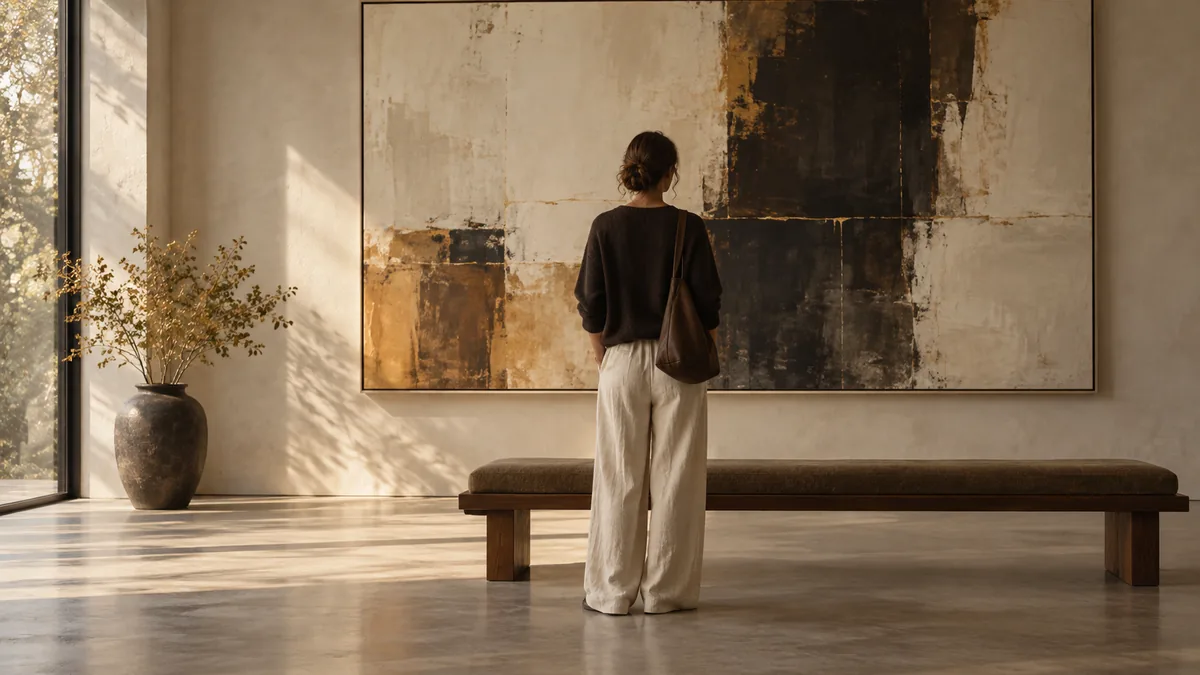
In this respect we see parallels with the Abhinavagupta commentary tradition that furthered rasa theory emphasizing the role of the sahridaya (cultivated viewer) in creating the aesthetic experience. The artwork itself does not inherently evoke rasa. Rasa emerges only when a suitable viewer encounters the artwork with sufficient sensitivity and pre-cultivation to appreciate the work provided by the artist. Thus, rasa theory acknowledges that meaning in artworks is collaborative, emerging from the interaction between an intentional piece of art and an intentional viewer, neither adequate separately.
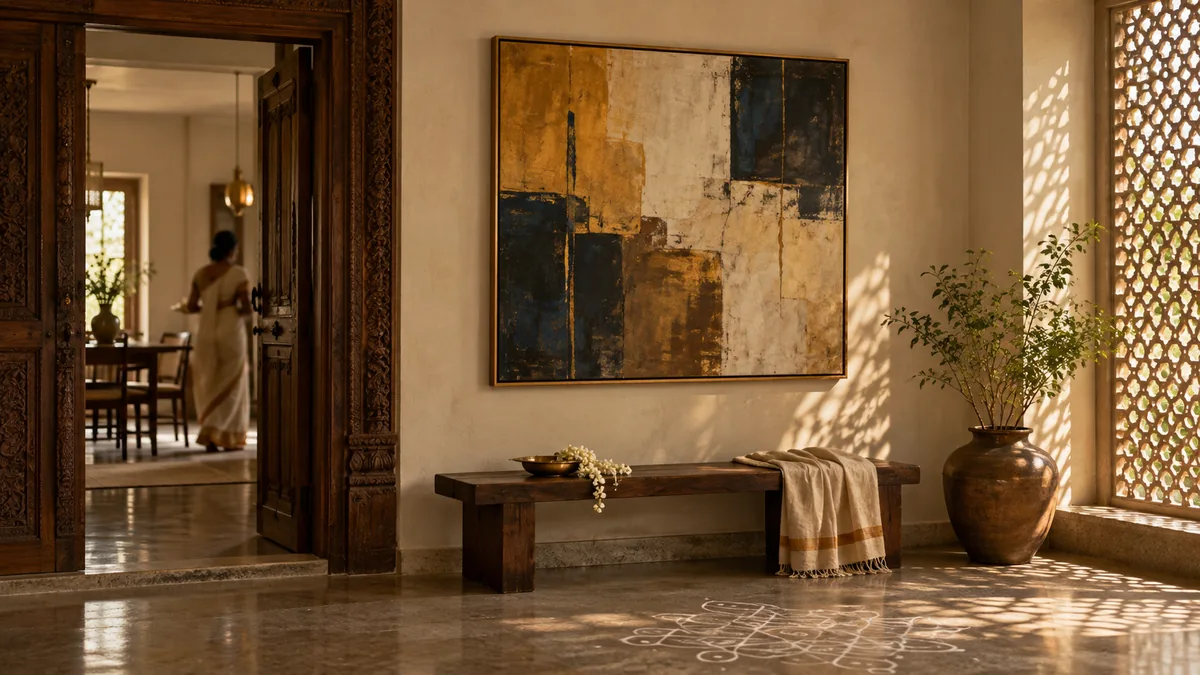
The collaborative nature of meaning seems particularly fitting to the painting practices engaged with visual traditions across both East and West, as exemplified by so much contemporary Indian painting. An example of this collaboration might occur when an artist creates a painting using formal strategies found in modernist European art while at the same time attempting to create a rasa he or she had previously learned through immersion in devotional and folk art traditions of India. This is not an act of appropriation in either direction; it represents more accurately what occurs when artists are formed by multiple visual languages and combine them, without contradiction, into a cohesive body of work.
Furthermore, Mylapore itself, where West23 resides, carries a special significance in this regard. As a neighborhood rich in devotional history; temple architecture; and centuries-long relationships to Bharatanatyam and Carnatic music (all traditions heavily invested in rasa as an organizing aesthetic principle); any painting exhibited here becomes involved in some manner of dialogue with that collective cultural memory regardless of whether or not the artist intentionally attempted to engage that cultural memory. For instance, a quiet, contemplative painting located near temple spires that have organized feelings of devotion in this community for generations conveys a level of resonance that the same painting would likely not convey if displayed anywhere else. We do not believe this is coincidental; we believe it contributes to what makes exhibiting paintings in Mylapore distinguishable from displaying similar paintings in galleries that are decidedly more cosmopolitan.
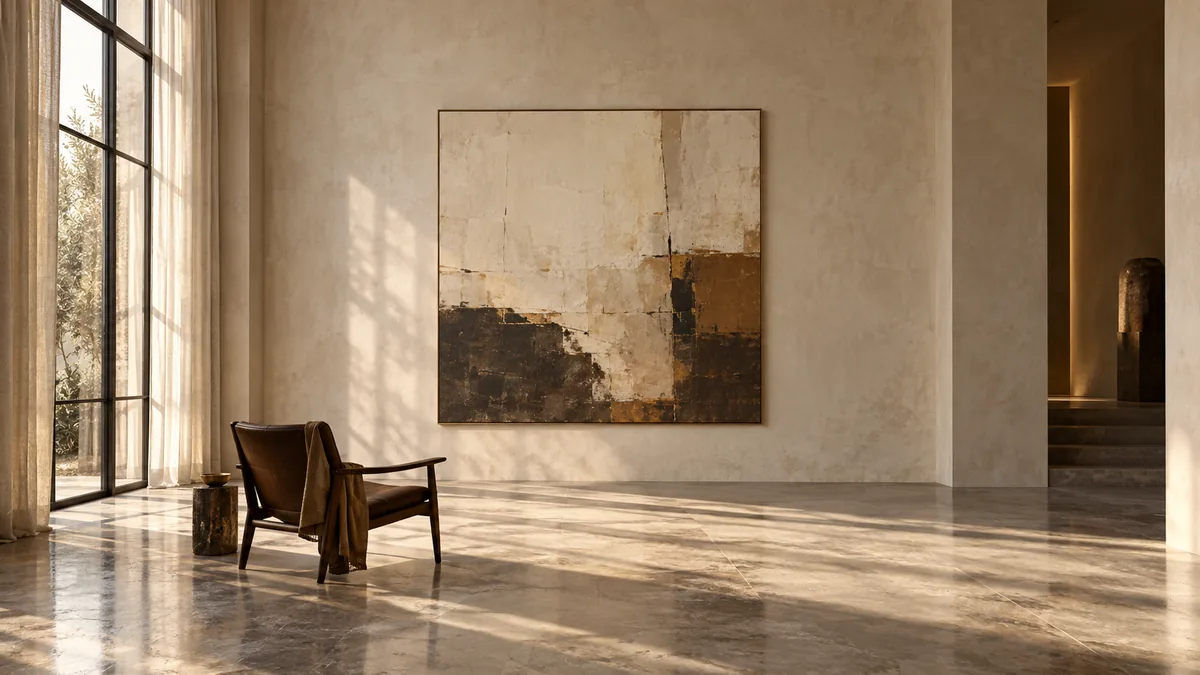
Additionally, we find insight in how Shanta Rasa (flavor of peace) has historically been considered the most difficult rasa to obtain; even more difficult than the more dramatic flavors of love or heroism due to stillness providing fewer opportunities for artists to develop their compositions dramatically. Artists seeking Shanta rasa must therefore develop their compositions with minimal reliance on dramatic gesture or incident and utilize more subtle approaches such as carefully balanced tones; quiet arrangements of forms; and an almost meditative quality in applying paint. We instantly consider contemplative works within our own collections that use tightly arranged, muted tone scales with few overt incidents and how frequently visitors report experiencing a sense of calm settle upon them as they observe these works over time. These reports represent Shanta Rasa functioning exactly as described by classical theory, presenting not the representation of peace but the aesthetic experience of peace itself.
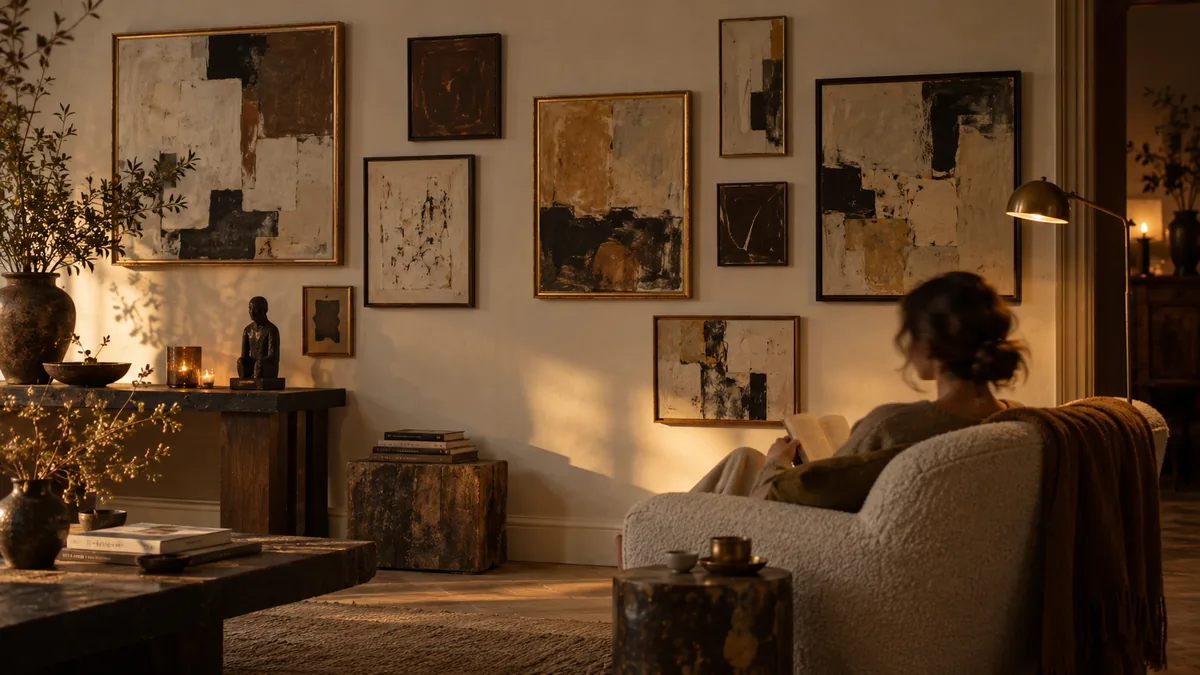
We would humbly suggest that employing concepts based on rasa theory provide collectors with a more comprehensive vocabulary for describing why they prefer certain works of art; one that extends past simply liking or disliking a painting and encompasses a more nuanced description of the emotional register that each work establishes, as well as whether that register is one they desire to engage on an ongoing basis. Collectors may discover through this perspective that they continue to purchase paintings that establish themselves within a Shanta Register, preferring works characterized by stillness and restraint relative to the more dramatic flavors of Shringara or Karuna; this discovery can provide meaningful guidance on how a collection evolves over time, assuring some continuity of emotional affect across works collected during various periods and moods.
Finally, we note that rasa theory does not require artists to sacrifice technical complexity or contemporaneity to pursue notions of authentic traditionalism. Bharata’s original theory evolved from his observations on the emotional power inherent within dramatic performances — an art form which was certainly modernist/contemporary/innovative in its day. Using rasa to analyze modern/present-day painting is not an exercise in nostalgia; it recognizes that many questions regarding how art influences our emotions; how form relates to feeling; and how audiences contribute collectively to creating meaning in art have been explored in high levels of sophistication in this region for thousands of years — and thus artists and audiences alike have much to benefit from engaging respectfully with those timeless/universal questions.